
Essential Skills and Career Opportunities
The Information Technology (IT) sector is evolving rapidly, reshaping industries and creating new opportunities for professionals. In this digital age, IT skills are no longer optional but essential for individuals aiming to build a robust and future-proof career. Whether you’re an aspiring tech enthusiast or a seasoned professional looking to stay relevant, understanding the key IT skills and emerging career perspectives is crucial.
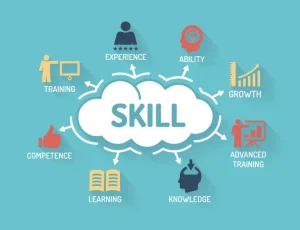
Key IT Skills for the Future
1. Cloud Computing
Cloud technology has become the backbone of modern IT infrastructure. Businesses rely on cloud platforms such as AWS, Azure, and Google Cloud for scalability, cost-efficiency, and enhanced performance. Skills in cloud architecture, deployment, and management are in high demand.
2. Cybersecurity
With the surge in cyber threats, companies prioritize data protection and system security. Cybersecurity experts who can safeguard sensitive information and prevent breaches are invaluable. Certifications like CISSP, CEH, and CompTIA Security+ can boost your credibility in this field.
3. Data Science and Analytics
Data is often referred to as the “new oil.” Organizations need skilled data scientists and analysts to interpret complex datasets, drive insights, and make informed decisions. Proficiency in Python, R, and tools like Power BI and Tableau is advantageous.
4. Artificial Intelligence (AI) and Machine Learning (ML)
AI and ML are revolutionizing industries by automating processes, enhancing decision-making, and driving innovation. Professionals with expertise in these areas are shaping the future of automation, predictive analytics, and intelligent systems.
5. DevOps and Agile Methodologies
As businesses seek to improve efficiency and collaboration, DevOps practices and Agile methodologies are becoming standard. Understanding tools like Jenkins, Docker, Kubernetes, and Scrum can position you as a key player in delivering continuous value.
6. Software Development
Despite the rise of no-code and low-code platforms, traditional software development remains a critical skill. Proficiency in programming languages such as Java, C++, JavaScript, and frameworks like React and Angular ensures you stay competitive.
7. Blockchain Technology
Originally developed for cryptocurrency, blockchain has expanded into various sectors, including finance, supply chain, and healthcare. Knowledge of blockchain development and smart contracts is highly sought after.
Emerging Career Perspectives in IT
The dynamic nature of IT opens doors to various specialized and high-paying roles. Here are some promising career paths:
1. Cloud Engineer
Cloud engineers design and maintain cloud-based systems. They play a pivotal role in digital transformation initiatives, helping organizations migrate from traditional infrastructure to cloud environments.
2. Cybersecurity Analyst
As cyber-attacks grow in sophistication, cybersecurity analysts are critical in identifying vulnerabilities, responding to incidents, and implementing preventive measures.
3. Data Scientist
Data scientists leverage machine learning algorithms to analyze trends and predict outcomes, enabling businesses to gain a competitive edge.
4. AI/ML Engineer
These professionals develop and deploy AI models, enhancing automation and creating intelligent solutions that improve user experiences.
5. DevOps Engineer
DevOps engineers bridge the gap between development and operations teams, ensuring smooth delivery of software through CI/CD pipelines.
6. IT Project Manager
With strong organizational and leadership skills, IT project managers oversee projects, ensuring timely delivery and alignment with business objectives.
7. Blockchain Developer
This role involves creating decentralized applications and solutions, making it one of the most innovative fields in technology.
How to Stay Ahead in the IT Industry
- Continuous Learning: The IT field is ever-changing. Stay updated by pursuing certifications, attending webinars, and engaging in lifelong learning.
- Hands-On Experience: Practical experience through internships, personal projects, or open-source contributions is invaluable.
- Networking: Join tech communities, attend conferences, and connect with professionals to learn and grow.
- Soft Skills: Strong communication, problem-solving, and teamwork skills complement technical expertise and enhance your career prospects.
Conclusion
The IT industry offers boundless opportunities for those equipped with the right skills and mindset. As technology advances, the demand for skilled professionals will only increase. By focusing on key IT skills and exploring emerging career paths, you can build a fulfilling and future-proof career in one of the most dynamic sectors of the global economy.
Start your IT journey today and embrace the future of technology!